Desenvolvimento de Aplicativos Mobile
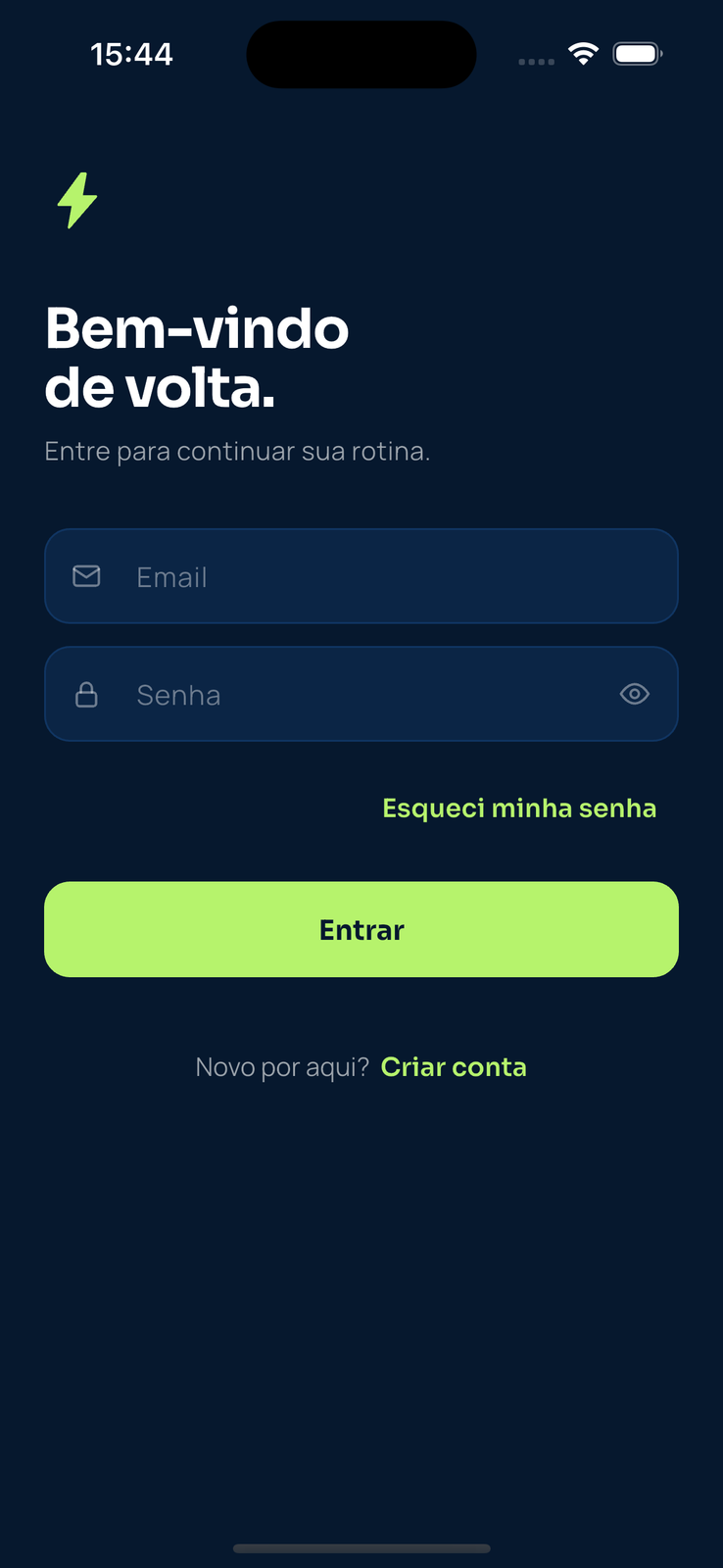
Oferecemos o serviço de desenvolvimento de aplicativos mobile sob medida para iOS e Android. Trabalhamos com Flutter como tecnologia principal por permitir uma única base de código que entrega aplicativos nativos com alta performance nas duas plataformas. Também desenvolvemos com Ionic, Kotlin (Android nativo) e Swift (iOS nativo) quando o projeto exige acesso profundo a recursos específicos da plataforma. Cada aplicativo é desenhado em conjunto com a operação do cliente, integrado por API RESTful ao back-end do próprio cliente ou ao back-end também desenvolvido pela Iterator. Cuidamos do ciclo completo: levantamento de requisitos, arquitetura, design da interface, integrações, testes em dispositivos reais, publicação nas lojas (App Store e Google Play) e manutenção evolutiva.
Recursos em Destaque
Stack que usamos
Trabalhamos com Flutter como ferramenta principal de desenvolvimento mobile multiplataforma, garantindo um único codebase compartilhado entre iOS e Android com renderização nativa, performance próxima a 60 fps e acesso pleno aos recursos do dispositivo via plugins. Para projetos com forte componente web reaproveitado ou PWA, utilizamos Ionic. Quando há necessidade de recursos exclusivos de plataforma, desenvolvimento nativo em Kotlin para Android e Swift para iOS.
O Ciclo de Desenvolvimento
O ciclo se inicia pelo levantamento de requisitos, em conjunto com o cliente, para entendimento das jornadas de usuário, integrações necessárias e critérios de sucesso do aplicativo. Em seguida fazemos a análise técnica e o desenho da arquitetura, definindo telas, fluxos, esquema de dados local (offline) e contratos de API. Disponibilizamos repositório de código exclusivo ao cliente, com acesso vitalício e acompanhamento das etapas em tempo real.
Durante a execução, entregamos versões funcionais cedo via TestFlight (iOS) e Internal Testing (Android) para validação contínua. As reuniões periódicas apresentam marcos do projeto e ajustes de rumo conforme o cliente experimenta o aplicativo em uso real.
Antes da publicação, todos os recursos são re-testados em dispositivos físicos reais (iOS e Android, telas variadas) e em ambiente de pré-lançamento integrado ao back-end de produção. A publicação inclui geração de assinatura, screenshots para as lojas, descrições otimizadas para ASO e acompanhamento da revisão da Apple e do Google.
Após o lançamento
Acompanhamos crashes via integração com Sentry/Crashlytics, métricas de uso, e oferecemos suporte para correções e novas versões. Cada release segue versionamento semântico e mantém compatibilidade reversa com versões anteriores quando possível.
O que está incluso
- Aplicativos nativos para iOS e Android
- Codebase único com Flutter
- Integração com APIs RESTful
- Push notifications e deep linking
- Funcionalidades offline-first
- Publicação nas lojas (App Store + Google Play)
- Acompanhamento de crashes e métricas
- Suporte e manutenção evolutiva